Posted by John Bailey
Filed in Health 7 views
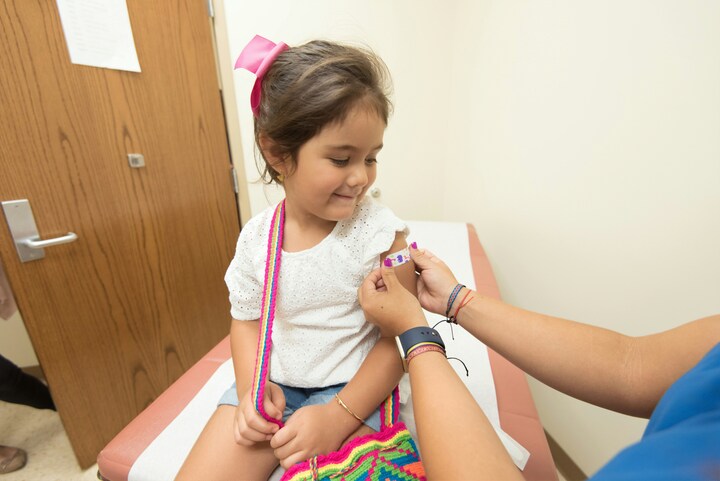
School nurses play a vital role in shaping healthy, safe, and supportive learning environments. They are more than just healthcare providers; they are advocates, educators, and trusted allies for students and staff alike. For those exploring nursing careers, understanding the steps to become a certified school nurse opens doors to a profession that combines clinical expertise with meaningful community impact. In this article, we’ll explore what school nursing entails, the benefits it brings to students and schools, and why it might be the right path for your career.
Many people assume school nurses only treat scrapes and minor injuries, but their responsibilities go far beyond first aid. A typical day may include:
Assessing and managing chronic conditions like asthma, diabetes, or allergies.
Administering medications according to physician's orders.
Performing health screenings and immunization checks.
Supporting students with emotional or mental health needs.
Educating students, parents, and staff about wellness practices.
In addition, school nurses often act as a bridge between families, healthcare providers, and school administrators. This role requires strong communication skills and a compassionate approach. For those who enjoy variety and working closely with children, these daily tasks can be incredibly rewarding.
It’s easy to overlook the connection between health and learning, but research consistently shows that students with access to proper healthcare perform better academically. School nurses:
Reduce absenteeism by managing illnesses promptly.
Help students return to class safely after injuries or health events.
Support mental health initiatives, improving focus and engagement.
Offer preventive care education, empowering students to make healthier choices.
When students feel well and supported, they can focus more effectively on their studies. For parents and teachers, having a school nurse ensures a safety net that allows education to remain uninterrupted.
Becoming a school nurse requires a combination of education, licensure, and sometimes specialized certifications. Generally, the path includes:
Registered Nursing License (RN): Most school nurses start as RNs, completing an accredited nursing program and passing the NCLEX-RN exam.
Experience in Clinical Nursing: Practical experience in pediatric, community, or public health nursing is often preferred.
Certification in School Nursing: Many states require or recommend a school nurse certification. This is where specialized knowledge about student health, legal regulations, and educational policies comes into play.
Following these steps ensures you are equipped to handle both medical emergencies and everyday health concerns in a school setting.
While clinical knowledge is essential, school nurses need a unique mix of interpersonal and organizational skills. Key skills include:
Communication: Explaining health information clearly to students, parents, and staff
Empathy: Understanding the emotional and social needs of children
Problem-Solving: Responding quickly to unexpected health issues
Organization: Managing multiple student health records and medication schedules
Moreover, school nurses often act as educators, teaching students about hygiene, nutrition, and disease prevention. The ability to engage and motivate young people is just as important as clinical expertise.
Mental health challenges are increasingly common among students, making school nurses crucial allies. They often:
Screen for anxiety, depression, and behavioral concerns
Provide counseling or referrals to mental health professionals
Promote stress management strategies, mindfulness, and coping skills
Collaborate with teachers and parents to create supportive learning environments
By addressing both physical and emotional well-being, school nurses help students develop resilience and thrive academically.
For those considering nursing careers, school nursing offers several unique benefits:
Regular Work Schedule: Unlike hospital shifts, school nurses often work weekdays with summers off.
Community Impact: Every day provides an opportunity to positively affect children’s health and education.
Professional Growth: Opportunities for continuing education and certifications in pediatrics or public health.
Job Stability: Schools consistently require nursing staff, providing reliable employment prospects.
Additionally, this career can serve as a stepping stone for advanced nursing roles or positions in public health policy.
If the idea of helping students while using your nursing skills excites you, here’s how you can begin:
Complete a nursing degree and obtain your RN license.
Gain experience in clinical or pediatric settings.
Seek school nurse certification if required in your state.
Network with local school districts or educational boards.
Keep up with continuing education to stay current with pediatric and adolescent health trends.
Each of these steps helps build credibility and competence, making you a valuable candidate for schools seeking dedicated healthcare professionals.
While rewarding, school nursing comes with its challenges. Nurses may encounter:
Limited resources and staffing shortages.
High demands from both students and parents.
Managing students with complex medical needs during school hours.
Balancing administrative responsibilities with direct care.
However, many school nurses find that these challenges are outweighed by the satisfaction of knowing they make a tangible difference in children’s lives every day.
The demand for school nurses continues to grow as awareness of student health expands. Schools increasingly rely on nurses to manage chronic conditions, mental health concerns, and preventive care programs. By choosing a career in school nursing, you are investing not only in your professional future but also in the overall well-being and academic success of generations of students.
School nursing offers a unique blend of clinical practice, education, and community involvement. From supporting daily health needs to promoting mental wellness, school nurses are indispensable in fostering safe, productive learning environments. If you’re passionate about healthcare and enjoy working with children, this career path provides both personal fulfillment and professional growth.
For those looking to explore healthcare career options, HealthCareTalentLink (HCTL) connects you with opportunities that match your skills and goals. Whether you’re interested in school nursing or other healthcare roles, you can find a variety of positions that fit your ambitions. Start your journey today and explore the wide range of healthcare talent opportunities that await.


Choose a test user to login and take a site tour.


